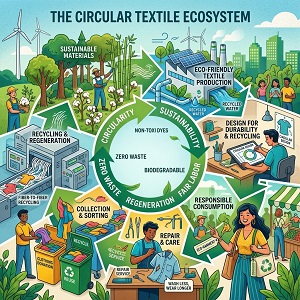

Vietnam’s textile and garment industry is currently facing a formidable challenge that demands an immediate digital overhaul. The European Union (EU) has finalized a mandatory roadmap for the implementation of the Digital Product Passport (DPP), set to take effect for all apparel products entering the bloc by mid-2028. This new policy mandates unprecedented transparency, requiring manufacturers to provide comprehensive data covering everything from detailed production locations to quantitative environmental metrics, such as carbon footprints and water consumption.
For Vietnam, which currently holds its position as the world’s third-largest textile exporter, this two-year window represents an enormous hurdle. Experts note that the sector is essentially starting from square one. Most domestic companies currently operate through fragmented, manual systems that lack interoperability, making it difficult to meet the rigorous traceability standards required by European customs authorities. The risk is not merely administrative; any discrepancy in reported data could result in severe enforcement actions and loss of market access.
The financial stakes are equally daunting. Transitioning to modern data infrastructure and green manufacturing processes can require investments ranging from hundreds of thousands to tens of millions of dollars. Manufacturers are currently struggling to manage data across multiple platforms, often relying on labor-intensive processes that increase the risk of errors. However, there is a growing consensus that viewing these requirements solely as a compliance burden is a mistake. Forward-thinking industry leaders are beginning to frame the DPP as a commercial advantage. By embedding sustainability and transparency into their core operations, firms can lower Extended Producer Responsibility (EPR) fees and appeal to the approximately 60 percent of consumers who now prioritize environmental standards over price.
In response, the Vietnamese government is intensifying efforts to bolster the sector’s value-added production and reduce reliance on imported raw materials. Policy initiatives are now focused on deepening domestic supply chain integration, from fiber sourcing to finished goods, and addressing the critical shortage of digital talent. With 2026 expected to be a volatile year due to shifting global trade policies and geopolitical tensions, the pressure to evolve is mounting.
For Vietnamese manufacturers, the message is clear: waiting for domestic regulations to be finalized is no longer an option. Building accurate, reliable, and integrated data systems has become a critical necessity for maintaining global market share. As the industry moves toward 2028, the ability to transform these stringent sustainability requirements into a competitive edge will likely determine which companies thrive and which fall behind in the evolving global fashion ecosystem.