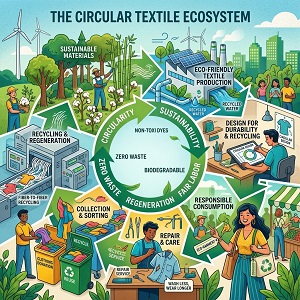

World Environment Day on June 5 just passed, but its core question lingers: how much do our everyday choices shape the planet’s future? Today, fashion stands as one of the most influential industries in the world, yet it remains among the most environmentally destructive. The sector accounts for up to 10 percent of global carbon emissions, consumes vast quantities of fresh water, and generates a staggering mountain of textile waste.

Driven by the relentless rise of fast fashion, an estimated 85 percent of all textiles are thrown away each year. In practical terms, the equivalent of one garbage truck full of clothes is dumped or burned every single second. Against this backdrop of an ecological emergency, the rise of pre-loved clothing—or thrifting—has transformed from a budget-friendly alternative into a conscious lifestyle choice.
The resale market is rapidly becoming a force too massive for conventional retail to ignore. Reports suggest that around 60 percent of global consumers say they are likely to shop resale in 2026, while in the United States, nearly two-thirds of adults regularly purchase pre-owned goods. Rewearing and reselling garments significantly reduces fashion's environmental footprint, with studies indicating that second-hand clothing generates roughly 20 to 40 percent fewer lifecycle emissions than newly produced items. Every single vintage jacket or t-shirt rescued from a thrift store represents one less new product that needs to be manufactured, directly lowering the global demand for water, energy, harsh chemicals, and raw materials.
However, environmental and fashion experts warn that it is too simplistic to view thrifting as a flawless silver bullet. The mainstream popularity of the second-hand market has introduced its own set of complexities, namely the risk of overconsumption within the resale ecosystem itself. Because thrifted items are often sold at incredibly low prices, critics argue that it encourages people to buy far more than they actually need, ultimately undermining the sustainability benefits that thrifting is intended to promote.
Furthermore, because the global fashion industry is highly interconnected, a drastic shift in consumer purchasing habits could bring severe economic implications for developing nations that depend heavily on garment manufacturing and exports to sustain millions of local workers. Ultimately, the future of sustainable fashion does not lie in the next eco-friendly collection launched by major brands, but in extending the life of what already exists. Choosing an existing garment may seem like a minor everyday decision, but it serves as a powerful tool to disrupt a damaging throwaway culture and steer the planet toward a greener future.