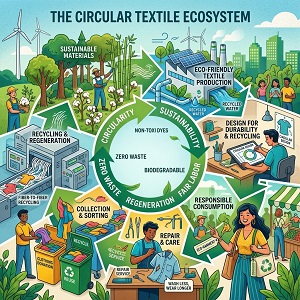

The global retail apparel industry is currently facing a dual challenge driven by stringent environmental regulations and shifting consumer shopping habits. The implementation of the EU’s Ecodesign for Sustainable Products Regulation (ESPR) has made the destruction of unsold inventory a punishable act, forcing companies to maintain transparency regarding the fate of their excess stock. Simultaneously, the combined impact of inflation, geopolitical conflicts, and rising costs has severely reduced consumers' disposable income, leading them to either curb spending or pivot toward the secondhand and resale markets.
A recent survey by Statista indicates that over 70 percent of consumers in the United States have significantly altered their apparel spending due to rising prices. As a direct response to this inflationary environment, more than a quarter of shoppers plan to increase their purchases of secondhand goods as a primary coping mechanism. This trend has transformed the resale market into a vital avenue for companies to mitigate inventory overload and avoid potential compliance issues associated with managing unsold products.
This shift in consumer behavior is largely driven by Gen Z and millennials, who prioritize sustainability and trust when making purchase decisions. Data reveals that 58 percent of Gen Z and 55 percent of millennials prioritize secondhand items, with nearly half of them actively reselling their own wardrobe items on platforms to generate extra income. Consequently, future resale potential has become a critical factor in the purchasing process; 60 percent of consumers now consider whether an item can be resold in the future, while 49 percent are actively moving away from low-quality garments that lack resale value.
To navigate these challenges, retail executives are increasingly turning to artificial intelligence (AI) as a path forward. AI adoption enables companies to better understand how consumers navigate resale playbooks and search for bargains, allowing for more data-driven production decisions that reduce the risk of excess inventory. By leveraging AI for price negotiation, item discovery, and inventory management, brands can align their manufacturing processes with market demand, ensuring long-term sustainability while addressing the needs of a more frugal, value-conscious consumer base.